






























Your phone buzzes. Someone forwards an “urgent hiring” graphic—bright logo, a few hundred taka “form fee,” pay on bKash and the link opens. Your hands shake. Jobs are scarce; the post looks polished. Stop there. Most recent Bangladesh cases began with that kind of share and ended with money lost to a fake job circular.
This page is not another vacancy dump. It is a practical coach: four checks that separate a real notice from a trap. Examples draw on the Kurigram Agricultural University clone-site case (Prothom Alo, 29 October 2026), Biman Bangladesh Airlines’ warning about an unauthorised Google Form (31 October 2026), and UNICEF-named Facebook fraud reported in October 2026. For genuine openings, browse our Jobs, Preparation, and Government archives.
How a fake job circular in Kurigram ran exams that still were not real
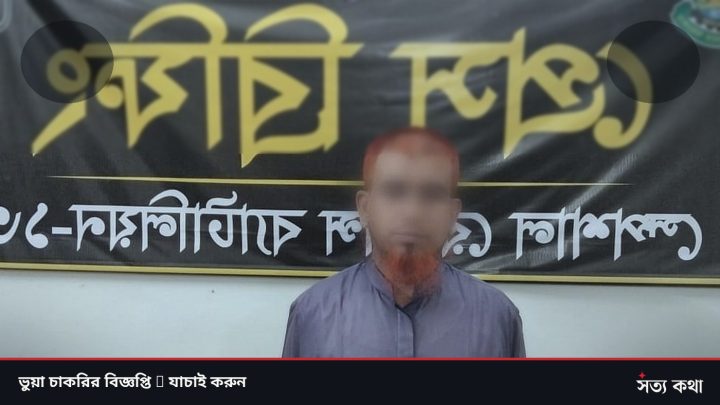
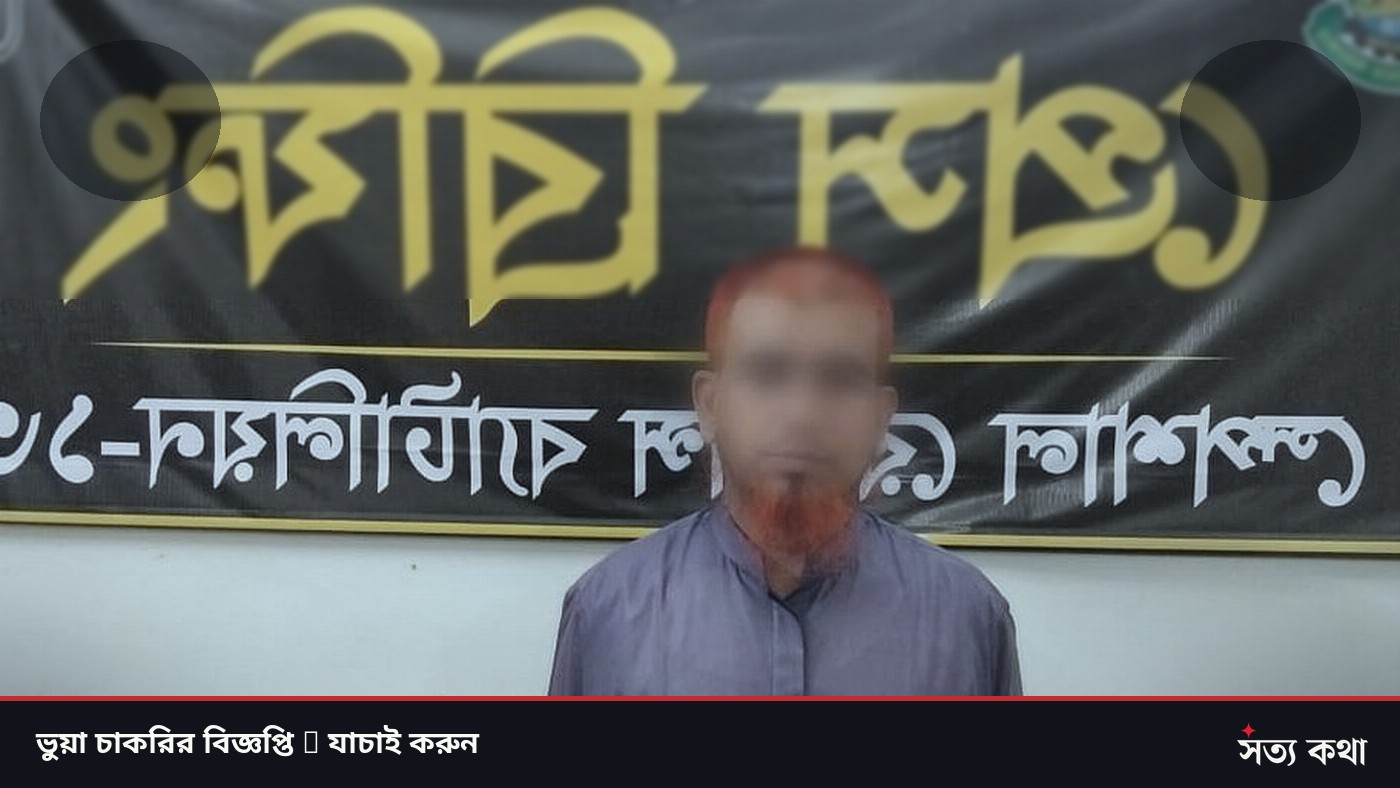
According to Prothom Alo, a ring cloned the look of Kurigram Agricultural University’s website, posted vacancies, ran a written test for about 100 candidates in a Rangpur community centre, held viva in Rajshahi, and even issued a fake final appointment order for 42 people dated 3 December 2024. SRB-13 later arrested alleged ringleader Abdus Salam; the university had already filed a GD.
The takeaway is blunt: renting a hall does not equal a public appointment. A lookalike domain, a community-centre exam, and a printed “order” can still be a fake job circular. “I sat the test” is not proof of safety.
Myth versus fact
Myth: A logo means it is real. Fact: Logos are easy to copy. Biman and UNICEF cases both involved familiar branding on unofficial posts. Judge the publishing channel, not the artwork.
Myth: A Google Form or Gmail inbox completes an application. Fact: Biman says notices appear in national dailies and applications go through the designated Teletalk portal—not rogue forms. Gmail “urgent hiring” inboxes are classic fake job circular tells.
Myth: UNICEF or big NGOs sell application forms. Fact: UNICEF Bangladesh states it never charges fees or asks for bank details at any recruitment stage. Police have described Facebook pages that collected form fees, then a second payment, then switched SIMs off.
Myth: Advance “food bills” or “draft fees” via mobile money are normal. Fact: Fact-checks of Biman-branded fakes flagged exactly those payment demands. Personal bKash/Nagad numbers are a hard stop.

Check 1: Is the source a real domain or a lookalike?
Read the address bar. A .gov.bd site, the organisation’s own domain, or a known recruitment portal is one thing; a one-letter-off domain or “official” blog is another. Kurigram’s weapon was a cloned site. Agencies such as DPDC also post warnings about a fake job circular—cross-check there before you apply.
Public-sector vacancies usually appear in national papers and on the organisation’s site together. A Facebook forward can be a tip, not the final source. We verify pieces such as APSCL and PCD the same way—readers should too.
Check 2: Where is the money going?
Real fees usually go through named banks or portal gateways with receipts. Personal wallets, “agent” cash, or advance meal bills are rarely safe. Reported UNICEF-name scams stacked a form fee and a second payment before cutting contact.
“The job is guaranteed—just pay now” is the red flag. A fake job circular sells urgency. When the countdown starts, take a day and verify.
Check 3: Is the application channel a known system?
Biman routes applications through Teletalk. Many government drives use similar central portals. Sudden Gmail drops or unknown short links deserve a pause—bundling NID, bank details, and photos into a form also raises identity-theft risk.
Private employers may accept email, but the domain should match the company site. Even for pieces like our MTB management trainee note, we separate the official channel. When unsure, call the career desk.

Check 4: Who controls the exam hall and the appointment letter?
Kurigram shows written tests, vivas, and “orders” can all be staged. Ask whether the centre list is on the official site, whether admit cards match known formats, and whether memo numbers can be verified. Fuzzy answers raise the odds you are looking at a fake job circular.
University or corporation hiring rarely appears only as a single social image. Multiple matching sources—notice board, newspaper, website—build confidence.
If a fake job circular already took your money
Keep screenshots, numbers, form links, and post URLs. File a GD or case locally and use cyber-crime channels; report mobile-money abuse in-app. For UNICEF-related fraud, the organisation’s investigation contacts are listed on its advisory page.
Do not stop at self-blame. A polished fake job circular fools careful people—the Kurigram exams prove that. Fast paperwork can protect the next applicant.
Where to look for real openings
Read job news, then open official sources. Our private-sector and government sections collect recent roles. Wrong dates or fees? Tell us via the corrections policy; sourcing habits are in the editorial policy.
Job markets are tight. Scammers use that pressure. Before you apply, ask four questions: real site, personal wallet, known portal, institution-backed exam papers? If any answer is no, treat the post as a fake job circular.
Sponsored Facebook posts are not proof of legitimacy—ad spend is often the scammer’s acquisition cost. A boosted graphic can still be a fake job circular.
Another trap: “you are pre-selected” messages with a photo of an appointment letter. Public recruitment does not work that way on WhatsApp. Treat payment demands after such messages as another fake job circular stage.
Overseas “agent commission” asks deserve the same four checks. Passport scans plus personal-wallet visa fees are classic cousins of a domestic fake job circular.
Sources we checked
Prothom Alo on the Kurigram clone-site case (29 October 2026); The Daily Star on Biman’s Google Form warning (31 October 2026); Rumor Scanner fact-check of Biman-branded fakes; UNICEF Bangladesh fraud advisory; DPDC career warning notice; Kurigram Agricultural University notice board alerts on fake recruitment.
Bottom line: apply for real jobs, but open the official site before you send money. Spotting a fake job circular needs patience more than a fancy degree.