































A shiny new aluminum pot hits the stove. Rice boils; khichuri steams. Few people ask whether metal from that pot can enter the meal. Reporting on 7 November 2026, based on icddr,b and Stanford research, puts a blunt question on the table: does lead in aluminum cookware migrate into food? The answer is yes—especially in the first few uses of a new pot.
This page is not medical advice. It is a kitchen-facing reading of the study and news sourcing. More health coverage: Health, Nutrition, Advice. For another home risk we covered earlier, see dengue prevention.
What the study found about lead in aluminum cookware
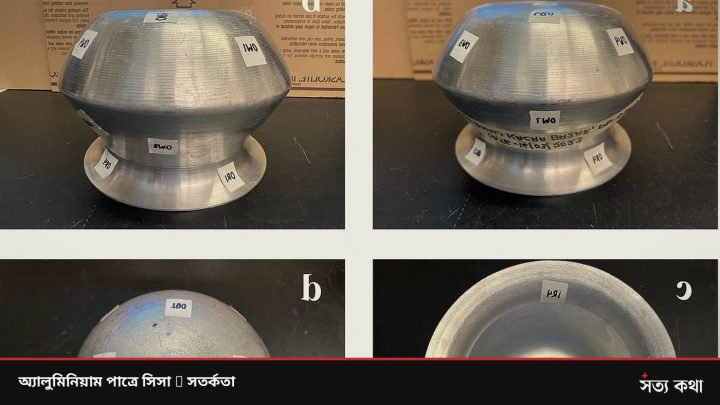
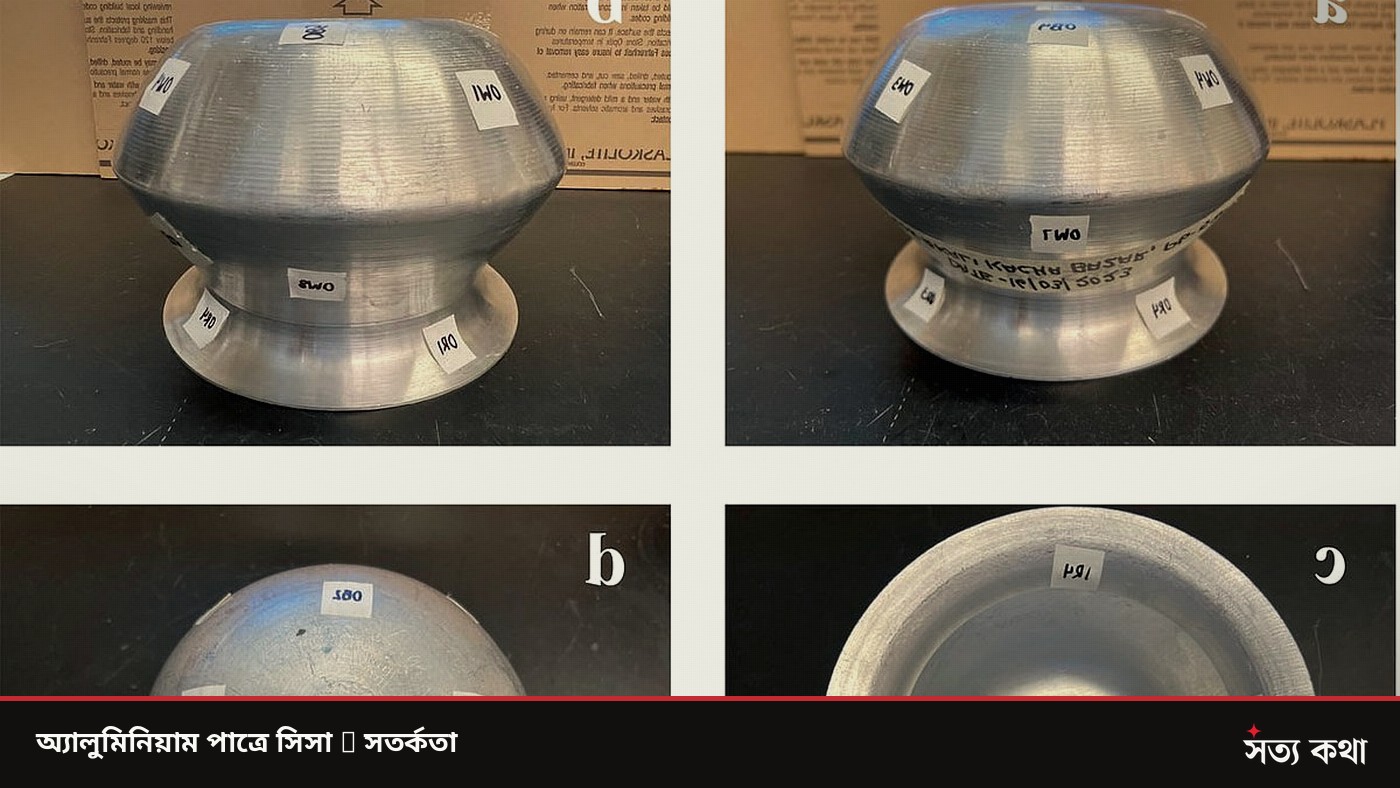
The paper, Toxic cookware: lead exposure from aluminum pots in Bangladesh, appeared on 25 October 2026 in the Journal of Exposure Science & Environmental Epidemiology. Researchers tested 27 pots—seven used pots from households and 20 new pots bought locally. X-ray fluorescence measured lead in the metal; rice and khichuri cooks tested migration into food.
First cooks in new pots averaged up to 305 µg/kg lead in dry rice and 420 µg/kg in khichuri. Two used pots still put 105 and 150 µg/kg into rice. For context, the US FDA cites a 10 µg/kg ceiling for lead in some processed foods for young children. WHO rejects any “safe” dietary lead level.
Metal itself held 1,260–1,820 µg/kg lead in new pots and 226–380 µg/kg in used ones. So lead in aluminum cookware is not only a worn-out-pot story—new market pots carried it too.
Why the child-exposure math is heavy
Using rural child rice intake, the team modelled that even third-cook rice (still 41–62 µg/kg) could deliver about 12.7–19.3 µg of lead per day from this source alone—more than five times the FDA interim reference of 2.2 µg/day. That is a model, not a blood draw, yet enough to worry.
WHO links chronic low-level lead to effects on children’s learning and behaviour. Pediatrician Abid Hossain Molla told Prothom Alo lead can reach brain, liver, kidney and bone, then re-enter blood later. An earlier icddr,b finding of widespread elevated lead in Dhaka children makes this cookware pathway one piece of a larger puzzle.
Steel-wool scrubbing raises lead release
Scrubbing a new pot with steel wool roughly quintupled lead release versus an unscoured pot in the first leach test. Metal spatulas and acidic foods also pushed release up. Musa Baker of icddr,b noted sour/acidic cooking is common in Bangladesh, so risk may be higher than rice-only tests show.
Repeated use lowers food lead—third cooks can fall three- to fivefold—but not to a comfort zone. Treating a new pot as “seasoned safe” misses the point of lead in aluminum cookware.
What households can do now
- Cook children’s staples in stainless steel, food-grade glass, or enamel when you can—replace in steps if budgets are tight.
- Skip steel-wool scrubbers on aluminum; use soft sponges.
- Avoid highly acidic dishes in suspect aluminum pots.
- Do not put a brand-new cheap pot straight onto a toddler’s khichuri routine.
- Low price is not a safety certificate while oversight is still catching up.
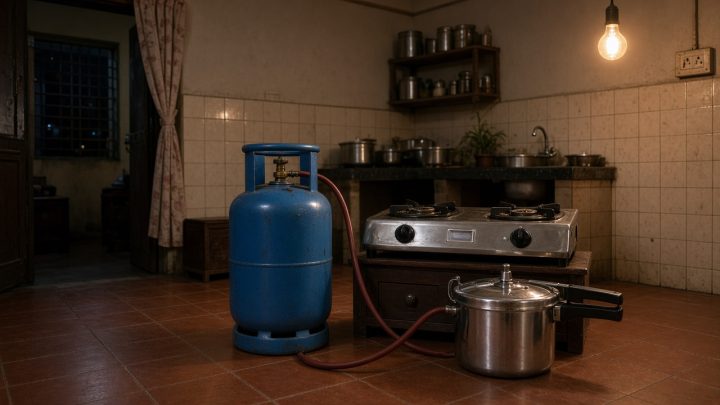
Kitchen costs already sting—see our note on LPG prices. Cheap pots can shift cost onto children’s health instead.
Aluminum pots sell because they are light, heat fast, and cost little. That mass use is exactly why small contamination becomes a public-health problem—millions of meals, not one kitchen anecdote. Reading about lead in aluminum cookware has to change shopping habits too.
“Everyone buys this” is demand talk, not a safety certificate. Ask about the alloy source. If answers are vague, walk. If budgets are tight, move the child’s khichuri pot first—that alone trims lead in aluminum cookware exposure.
Scouring exposes fresh metal layers. Keeping steel wool in the sink keeps the release pathway open. Soft sponge, less abrasion, less acid: three habits that work together against lead in aluminum cookware.
The BSTI standards gap
Aluminum cookware only recently joined Bangladesh’s essential-products list. BSTI says it asked makers for raw-material details and wants market drives; responses have been weak. Until labels mean verified standards, assume shelf pots are unproven. Policy on lead in aluminum cookware can move slowly; household caution can start tonight.
Reader questions
Must every old pot go? Used pots also leached lead. Prioritise the vessels used for children’s main meals, then phase the rest.
Are pressure cookers or nonstick safer? This study covered local aluminum pots only—do not generalise. Unknown alloys still deserve scepticism.
How do I know my child’s blood lead? That needs a clinician. This page is not a substitute—see care resources and a doctor.
One clarification: the study does not claim every metal pot is unsafe. It shows lead in aluminum cookware of the local types tested also reached food. Imported or differently certified ware needs its own evidence—but cheap local pots deserve caution before you buy.
Sources we checked
Prothom Alo on aluminum pots leaching lead into rice and khichuri (7 November 2026); the peer-reviewed paper (25 October 2026) from icddr,b and Stanford; BBC Bangla and icddr,b summaries for cross-check. Corrections: policy. Editorial standards: editorial policy. More national updates: News.
Bottom line: shine is not safety. When lead in aluminum cookware reaches food in journal-grade measurements, stop steel-wool scrubbing, change children’s pots first, and keep asking for real standards.