


























Ledger one: October remittances were $2.87 billion—about 12% higher than a year earlier. Ledger two: the interbank dollar rose to Tk 124.30. Read together, remittance growth is not the same as market relief.
Bangladesh Bank data, reported on 1 November 2026, show monthly inflows below $3 billion for a fifth straight month since June. Oil and gas import payments are adding forex demand. More business coverage: Economy, Banking, Markets.
Ledger one: what the remittance numbers say
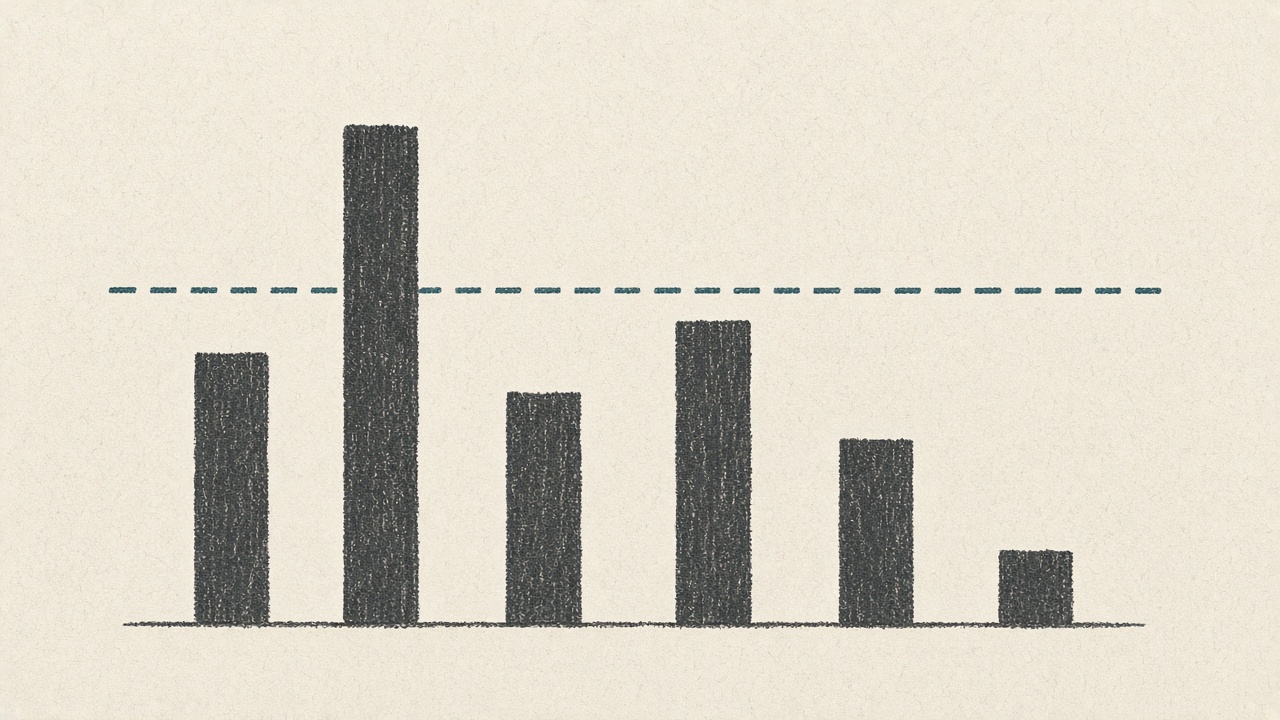
The Daily Star (1 November 2026) cites Bangladesh Bank: October inflows of $2.87 billion, up 12.1% year-on-year and a touch above September. That is not a collapse—growth exists; the $3 billion monthly mark does not.
July–31 October totals reached $11.465 billion, about 13% above the same stretch a year earlier. Annual momentum is solid; five months under the threshold is the caution light. That gap is today’s story on remittance flows.
Ledger two: why the dollar is moving
On 1 November the weighted average interbank rate was Tk 124.30, up from Tk 123.99. Open-market/money-changer quotes reported elsewhere near Tk 128 are a different tier—do not mix the two.
Bankers and reports point to public-sector fuel and gas payments lifting dollar demand. Even rising remittance may not pin the rate when import bills spike. Middle East instability is cited as one pressure on senders—an explanation, not a single cause.
On the household ledger
Families with migrant members still rely on banking channels. Rates and incentives vary by bank; informal hundi routes add legal and fraud risk.
Import-linked goods, medicines and fuel can feel dollar moves with a lag. Point-to-point inflation near 8.34% in September (BBS via Bangladesh Bank) shows food and energy still heavy in budgets. Stronger remittance totals do not empty the bazaar bag overnight.
Practical thrift tips belong under saving on costs—this page explains the macro numbers, not investment advice.

On the business ledger
LC settlement and dollar scarcity raise importer costs. October public fuel payments and central-bank intervention have been reported in the financial press. Retail prices eventually carry part of that load.
Remittance supports reserves and market calm—but one month cannot judge the whole economy. Four-month growth is positive; five months under $3bn is a warning. Hold both facts.
Middle East labour markets—known vs guessed
Industry voices link the sub-$3bn streak partly to West Asia conflict affecting jobs and sendable income. Each worker’s story differs. We do not invent a new incentive package here.
Three clear lines for readers
- October remittance rose year-on-year yet stayed under $3bn for a fifth month.
- Interbank dollar at Tk 124.30 signals import and market pressure.
- Prefer legal channels; check live bank rates before you transact.
No investment or FX-trading advice. Bangladesh Bank releases win if figures change—see our corrections and editorial policies.
Reserves and intervention—brief context
Reserve levels and the daily dollar rate are different columns. Reports of October auction sales can ease stress briefly; lasting calm still needs exports plus remittance strength.
Bank rate vs open market
Interbank averages are not the cash selling rate you pay at a counter, and money changers quote yet another tier. When receiving remittance, read the bank or MFS terms for incentives and fees first.
Why remittance is not just another export line
Export dollars follow factories and LCs; remittance lands in household budgets. Both feed forex supply, but social distribution differs—so strong garment headlines cannot hide a sub-$3bn streak.
What not to do
- Chase hundi “high rates”
- Liquidate savings on one-day FX moves
- Treat remittance stats as personal investment guarantees
Related reading and sources
Dengue November checklist · smartphone motherboard SMT · bank Senior Officer preliminary.
Primary sources: The Daily Star; Prothom Alo; Bangladesh Bank exchange-rate / weekly indicators (1 November 2026).
One line: remittance still props the economy, but five months under the threshold plus a firmer dollar is a household-budget alarm—read both ledgers.